
My Thoughts Exactly
Just Dug Up
Need A Tiny Tiny Extra Bedroom?
Tiny Tiny homes makes what has to be the smallest tiny home on the market... 48 sqft.
Our Models | Tiny Tiny Homes
tinytinyhomes.ca
Thirty Seconds to Decide Who Reuses Your Instagram Images
Meta released a new tool this week called Muse Image, and buried inside the announcement is a detail worth your attention: if your Instagram account is public, any Meta user can now pull your posts and Reels into an AI generator and remix them into something new. Flattering or not. With or without your knowledge. Meta frames this as a creative feature, and for your own photos it probably is. But the setting that lets strangers do it to you is on by default, and turning it off takes about thirty seconds.
Open Instagram, go to Settings, find "How others can interact with you," tap "Sharing and reuse," and switch off the toggles for Posts, Reels, and original audio. You do not have to make your account private to protect what you post there. You just have to decide, on purpose, who gets to reuse it.

Meta Doesn’t Want To Show Its New Smart Glasses Are Recording
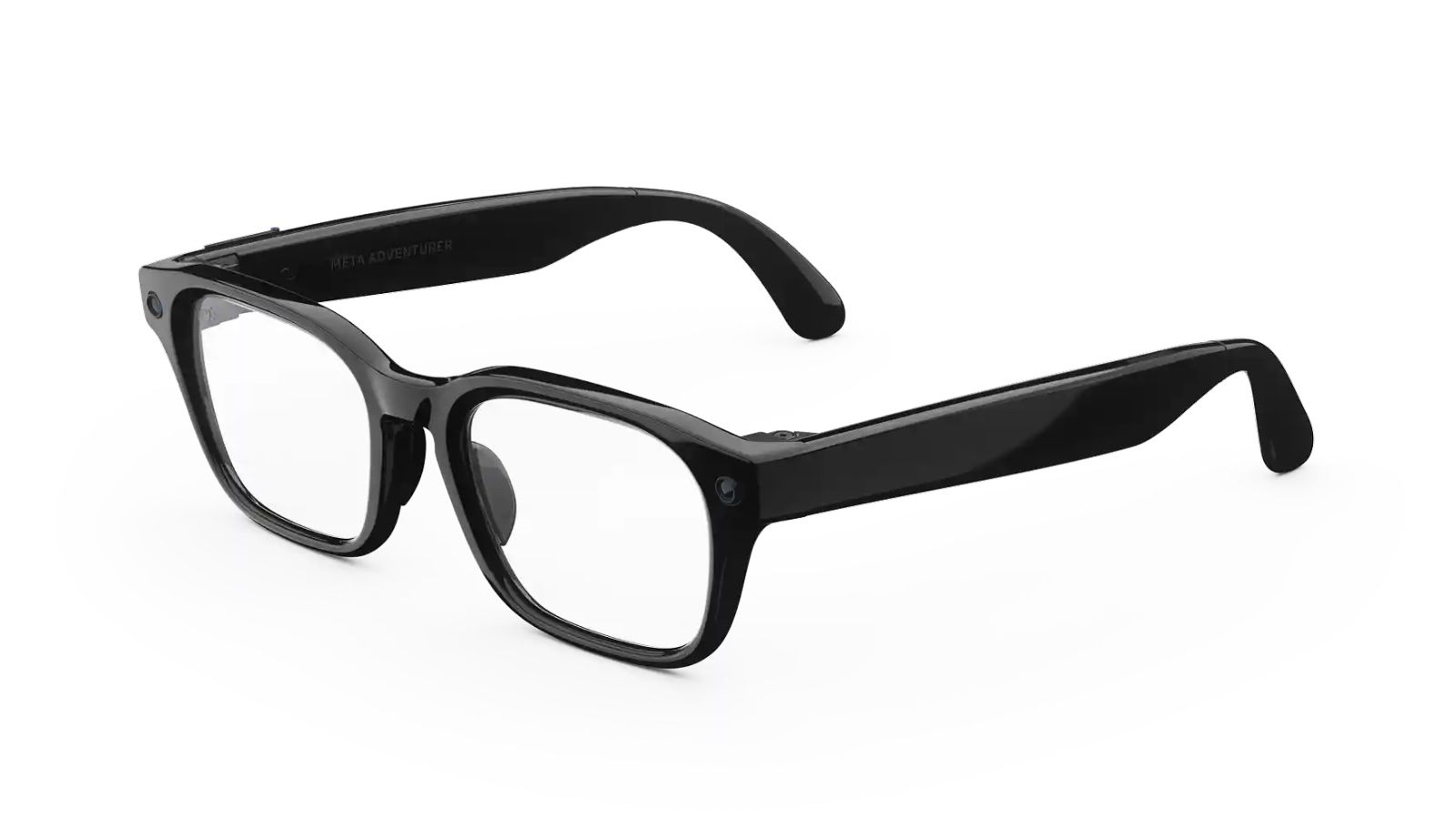
The civil liberty and privacy risks of smart glasses should be obvious. They certainly are to me. From this article, "Meta's current AI smart glasses have an LED in the corner of the frame that lights up to signal to others when a wearer is taking photographs or filming. But Meta executives don't want to activate the LED when the super-sensing features are turned on."
That should concern you. It concerns me.
Boys Read Less, And Worse, Than Girls
Teenage boys are entering high schools woefully unprepared in terms of reading a recent study in of children’s reading habits in the UK and Ireland found. Not shocking to me.
"Tech tends to be the culprit educators single out for plunging literacy rates, and rightfully so. Kids, just like their parents, are hooked on smartphones and social media apps, getting their attention spans fried by short form videos and infinite scrolling. "

A Way Back Into The Conversation: Brain2Qwerty v2 From Meta
Meta showed Brain2Qwerty v2 this week, a research system that turns brain activity into typed text with no implant and no surgery. A person sits in a magnetoencephalography scanner and types while the AI reads the magnetic signals instead of the fingers. Trained on 22,000 sentences from nine volunteers, it reached 61 percent word accuracy, with one participant hitting 78. The gear is bulky and far from a product. But notice who this is for. Not people skipping the keyboard. People who cannot type, speak, or move. For them, accuracy like that is a way back into the conversation.

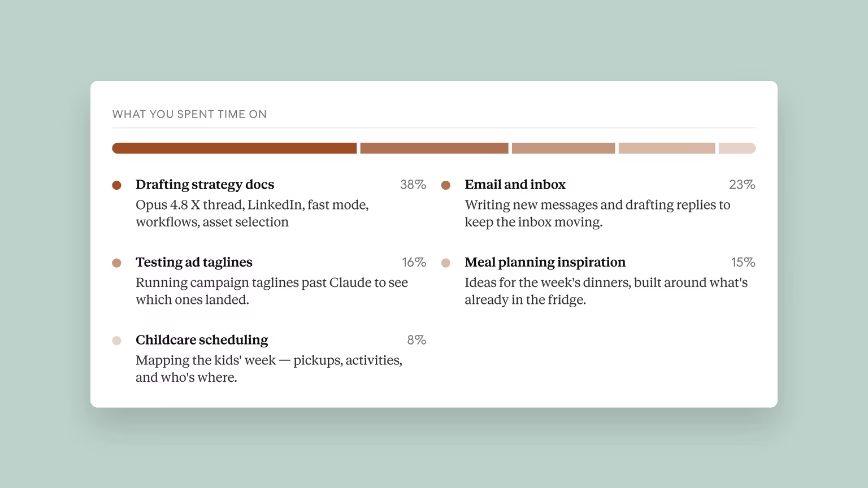
My guess is that if you use Claude too much, you're probably at least suspicious. But I guess it's nice the Anthripic knows too?
"The feature is called Reflect, and it landed in beta on Thursday. It is a dashboard, tucked into Claude’s settings, that shows you how you have been using the chatbot. Anthropic describes it as a way to “see your patterns and shape them”. Most of the press has a blunter name for it: Claude Wrapped."