Sign Of The Times
New 'GTA 5' Mod Lets You Destroy Flock Cameras
polygon.com

My Thoughts Exactly
As I read this article, I couldn't help but recognize that this future of whispering to our computers wasn't a future at all for me—it was my current state of living. These days, I spend a lot of time holding down the function key on my laptop, letting Gemini transcribe my voice. In fact, that's what I'm doing right now as I'm typing—and I use the word "typing" loosely. You'll notice that the word "typing" was put in quotation marks in the last sentence. I didn't ask Gemini to do that; it knew exactly what I meant when I spoke it. Dictation here is completely unedited. Yes, I'm already living in the whispering future.
The headline last week seemed too big to be true. $1.4 trillion in potential penalties to Meta over social media addiction? You knew this would get settled. It did. For a fraction of the $1.4 trillion potential- just $18 billion. "Just."
I've felt this way for a long time. It's humorous when a company that has built it's business on scraping the web files a lawsuit to stop someone from scraping them. So many thoughts come to mind.
You reap what you sow.
What's good for the goose is good for the gander.
Live by the sword, die by the sword.
Rules for thee but not for me.
Turnabout is fair play.
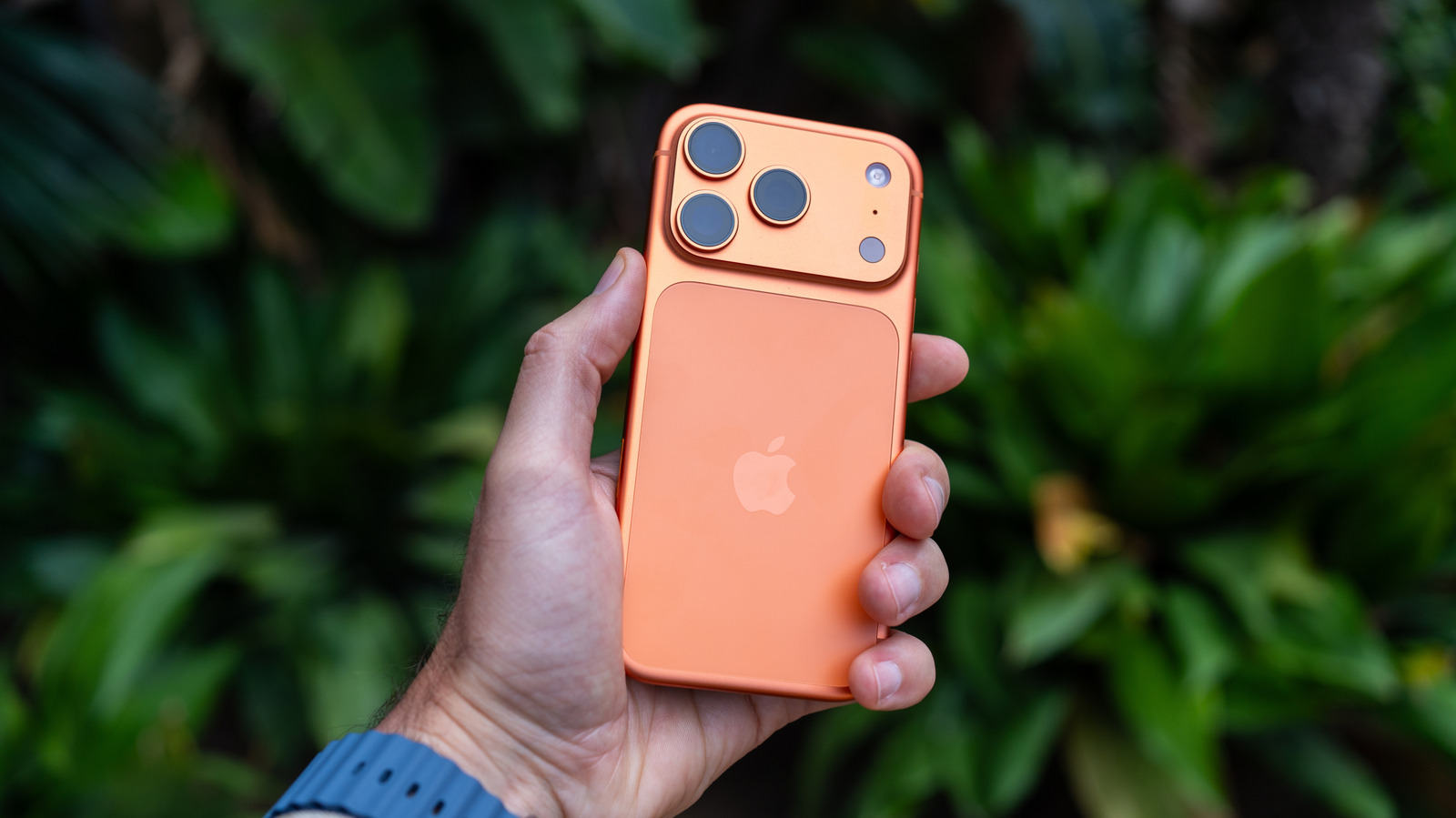
If history is any judge, I'll succumb to shiny object syndrome long before my iPhone becomes obsolete. This is likely the case for most iPhone users, though I know more than a few people who have not updated their iPhones in my years. The biggest sign being the charging cable they use. USB-C was added to the iPhone 15, which launched in September of 2023, and one of my friends was still using what appeared to be an iPhone 13 last week. Apple is continuing support on the new OS all they way back to iPhone 11, so that bodes well for longevity of the new iPhones.
What could possibly go wrong? "The patent, published on July 2, describes a device that listens for “audible communications” including sighs, laughter, and vocal tone, and combines them with “contextual factors” like time of day, location, activity, and medication timing. The system builds a persistent mood log from all of this."
I don't trust Facebook. I've made that pretty clear in the past. I'm not sure why anyone does.



I think Flock should be concerned for many reasons; having Grand Theft Auto add them to their game solely to abuse them is most certainly one of them.